
Recovery isn’t just about rest—it’s about the right plan.
Whether you’re healing from a sports injury, recovering after surgery, or working through chronic joint pain, proper knee and shoulder recovery takes more than simply waiting for discomfort to fade. A structured rehabilitation plan helps reduce pain, rebuild strength, restore mobility, and support a safe return to the activities you love.
At Bridger Orthopedic, we provide comprehensive orthopedic care for patients seeking expert care in Bozeman and across Southwest Montana.
The knee and shoulder are two of the body’s most complex and heavily used joints. Because they play such a major role in movement, incomplete or improper recovery can lead to:
A personalized recovery plan helps ensure your body heals correctly while minimizing setbacks.
Every patient’s recovery is different, but most orthopedic rehabilitation follows several important phases:
The first step in injury recovery is controlling pain and swelling. This may include rest, guided activity modification, therapeutic exercises, and other orthopedic treatments to help calm the joint and begin healing. At Bridger Orthopedic, MLS laser therapy and regenerative medicine can be used alongside traditional treatments to more effectively manage pain and inflammation. MLS (Multiwave Locked System) laser therapy delivers specific wavelengths of light energy deep into tissues to reduce inflammation, improve circulation, and support faster healing with minimal discomfort and no downtime. Regenerative medicine options, such as platelet-rich plasma (PRP) or cell-based therapies, use components from the patient’s own body to help repair damaged tissues, support joint health, and promote longer-term relief. When combined with standard approaches like physical therapy, medications, injections, or bracing, these advanced therapies can enhance outcomes, shorten recovery time, and help patients return more quickly and safely to the activities they enjoy.
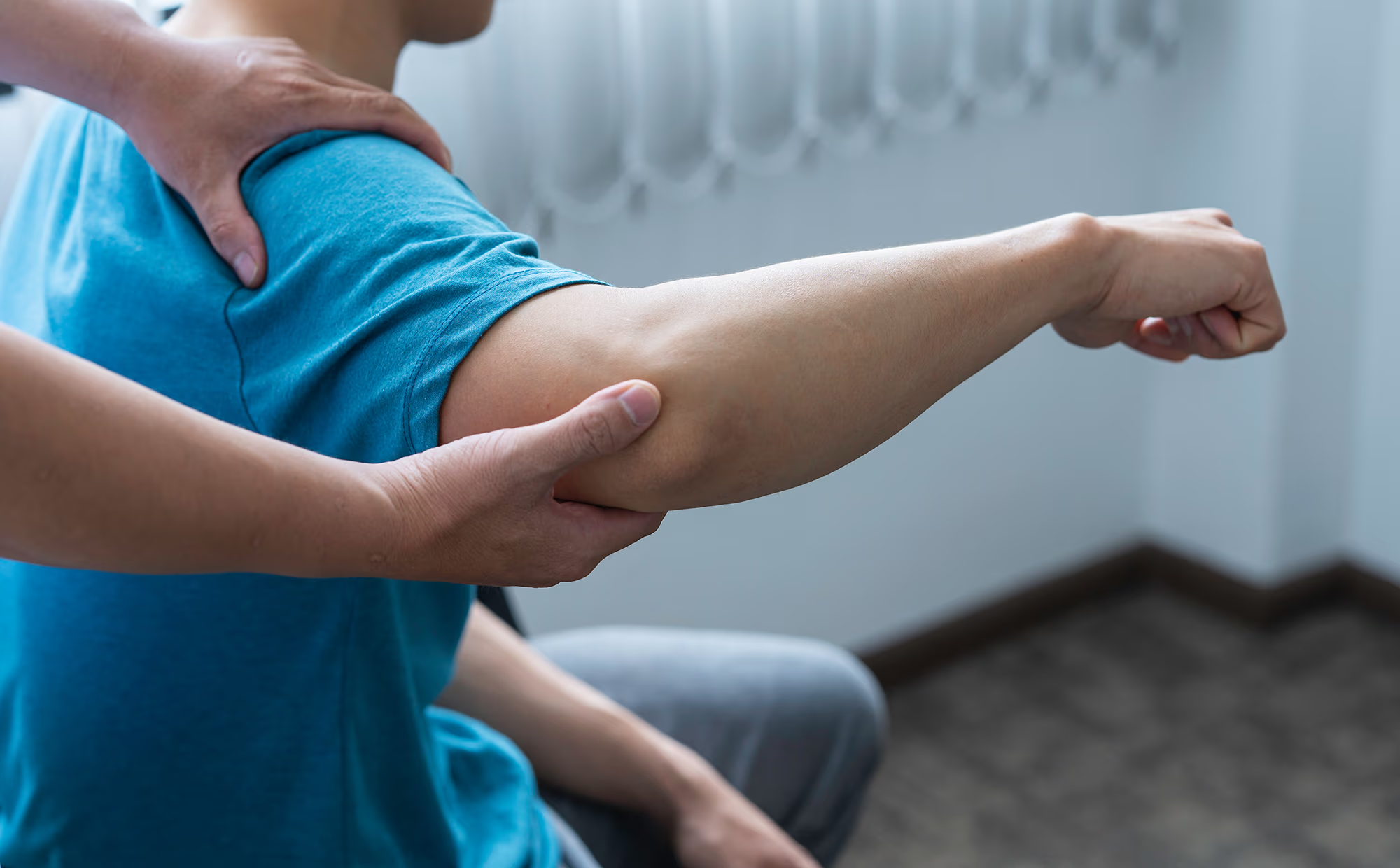
Once pain is under control, the focus shifts to improving flexibility and range of motion. Regaining proper joint movement is critical before progressing to strengthening. Bridger Orthopedic’s Physical Therapy department can also help patients improve flexibility and range of motion through individualized treatment plans. Our skilled therapists begin with a thorough assessment to identify joint restrictions, muscle tightness, and movement imbalances, then use targeted manual therapy, stretching, and joint mobilization techniques to restore normal movement. They also design customized exercise programs that safely challenge flexibility over time, incorporating tools such as neuromuscular re-education and functional movement drills.
Through targeted physical therapy at Bridger Orthopedic, a patient can focus on strengthening the muscles that support these joints, improving balance, control, and joint alignment. Individualized programs may include guided strengthening and flexibility exercises, balance and coordination training, and manual therapy to enhance joint mobility. When needed, bracing, activity modification, and sports-specific rehab are incorporated to protect the joint while you heal. Together, these strategies are designed to restore stability and help you return to full, confident function in your daily life and activities.
The final stage of recovery focuses on preparing patients to return to their specific lifestyle—whether that means hiking local trails, getting back on the slopes, lifting at the gym, or simply moving comfortably through everyday life.
Physical therapy is one of the most important parts of orthopedic rehabilitation. A guided therapy program can help patients:
For many patients, physical therapy in Bozeman is the bridge between injury and full return to activity.
Orthopedic rehabilitation can support recovery from many common injuries and conditions, including:
Patients throughout Bozeman and Southwest Montana trust Bridger Orthopedic because we offer:
Our goal is to help every patient recover safely, move confidently, and return to the activities that make Montana living special.
If knee or shoulder pain is limiting your movement, the right treatment plan can make all the difference.
Whether you’re recovering from an injury, surgery, or chronic joint condition, the team at Bridger Orthopedic is here to help with expert orthopedic care, physical therapy, and rehabilitation support in Bozeman.
Schedule an evaluation today and take the next step toward recovery.